Regulatory compliance in multifamily used to be something you checked after the fact. Teams would draft policy, staff would get trained, audits or legal complaints would follow — and then the compliance team would react. It was manual, inconsistent, and always one step behind operations. That model is breaking down. Federal, state, and local are evolving rapidly. And operators must defend against risk at every stage of the renter’s journey.
In today’s regulatory environment, compliance can’t be an afterthought. Risk now lives inside every workflow — in marketing language, pricing transparency, website accessibility, identity verification, and lease execution. The velocity of digital operations has outpaced manual oversight. You can’t audit in arrears at machine speed. What was once a periodic review must now become operational discipline embedded directly into how work is executed.
Compliance Must Become Structural
Structural compliance means the rules are built into the system itself. It means marketing platforms that prevent risky language before it is published. Leasing workflows that enforce fee disclosures automatically. Websites engineered for accessibility by default. Identity verification processes that standardize screening without bias. Lease generation engines that will not execute until every required disclosure, addendum, and field are properly completed.
In a structural model, compliance does not depend on memory. It does not depend on who is working that day. And it does not wait for an audit to expose gaps. It becomes part of the execution layer. This is where automation shifts from being an efficiency tool to becoming a risk and compliance engine. Systems don’t forget disclosures. They don’t overlook fields. They don’t improvise language. They enforce logic consistently and at scale. And that changes everything.
The Future is Hardwired Compliance
The future of multifamily compliance will not be managed, it will be engineered. Hardwired compliance means the rules are no longer sitting in manuals or training decks. They are embedded into the infrastructure that powers marketing, leasing, screening, and execution. Systems will not allow non-compliant actions to move forward. Workflows will not advance unless required disclosures are present. Language will not publish unless guardrails are satisfied.
When intelligence is embedded into operating systems, marketing cannot drift into risky territory. Pricing cannot appear inconsistent throughout the renter journey. Lease documents cannot be generated with missing addendums. Accessibility cannot be optional. The system enforces alignment before exposure occurs. Growth no longer multiplies risk at the same rate, because enforcement travels with the workflow — automatically, consistently, and continuously.
Why This Matters Now
Multifamily now operates in a fully transparent, machine-readable marketplace. Discovery engines index your content. AI platforms summarize your policies. Regulators, litigators, and consumers can evaluate inconsistencies at digital speed. The exposure surface has expanded — and manual oversight cannot scale to match it. The industry has spent years talking about efficiency. But the real transformation is happening at the risk layer.
Autonomous systems are not merely accelerating operations, they are stabilizing them, transforming compliance from a reactive safeguard into a built-in operational constant. In today’s regulatory climate, that evolution is no longer optional. Organizations that recognize this shift will stop treating compliance as insurance and start engineering it as infrastructure, designing models where automation enforces discipline, minimizes exposure, and protects growth at scale.
AUTHOR
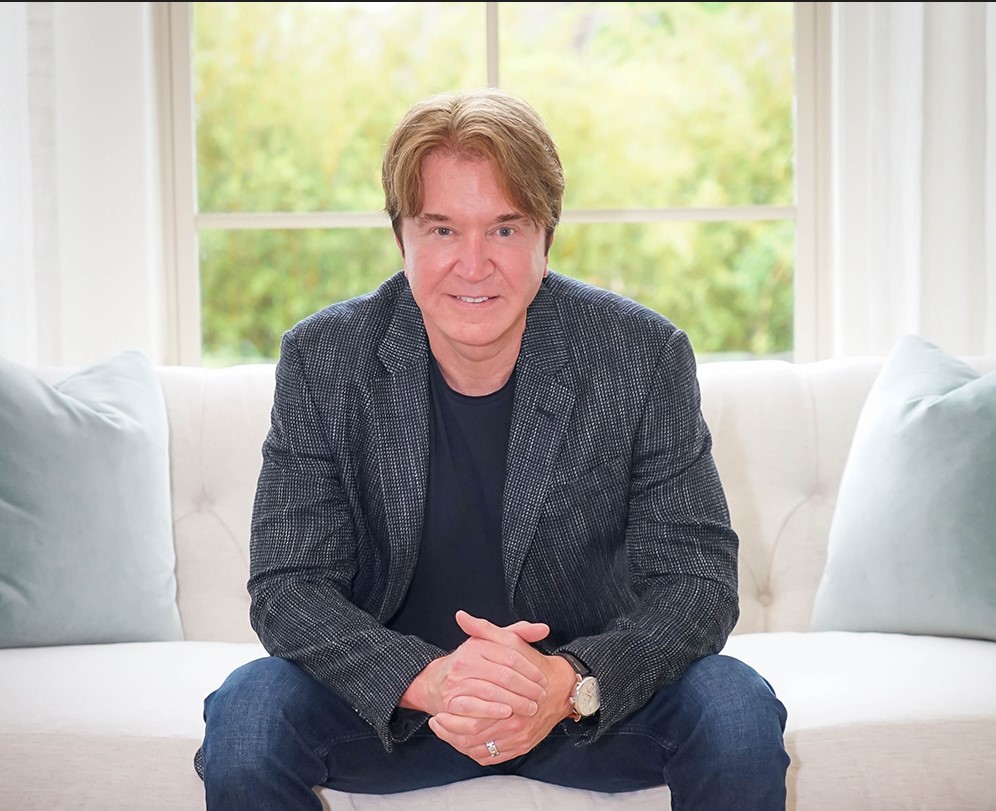
Kerry W. Kirby is an American entrepreneur, technology innovator, and philanthropist. He is the founder and CEO of 365 Connect, the leading innovator in AI-driven marketing, leasing, and resident engagement platforms for multifamily communities across the globe. Kerry has earned widespread recognition and numerous awards throughout his career, including the Louisiana Governor’s Technology Award, Titan Entrepreneur Award, and Noble Award for proptech innovation. He is listed on the Silicon Bayou 100 as one of Louisiana's most influential entrepreneurs, and became the first in the multifamily housing sector to receive the Bootstrapper Award, underscoring his remarkable journey of turning a scrappy startup into a leading proptech powerhouse without external funding.
As an acclaimed speaker and award-winning podcaster, Kerry has reached millions of listeners through appearances on major media outlets, streaming platforms, and event stages—sharing insights on the convergence of technology in today’s digitally driven world. He has appeared on the BBC Digital Planet, BBC Podcast Network, NPR News, CBS’s Digital Gumbo Segment, and an array of global media publications. Kerry is co-host of the longest running podcast in the multifamily housing industry, the award-winning MultifamilyBiz + PowerHour Webcast Series, as well as the popular tech-talk series Multifamily Tech Gurus Podcast.
Kerry serves on the Board of Advisors of Rainbow, a national nonprofit organization providing service-enriched housing programs across more than 40,000 affordable housing units nationwide. He also chairs Technology Initiatives for the Multifamily Innovation Council, an industry organization that collaborates with multifamily housing operators representing millions of units to advance technology adoption and digital transformation.
Kerry and his wife Melinda M. Kirby are actively involved in supporting communities and causes, with an unwavering dedication to humanitarian, educational, healthcare, and equality programs. Through the Kerry & Melinda Kirby Foundation, they provide resources to nonprofit organizations that accelerate progress by championing causes that give a voice to those that are often not heard. They have been highly recognized for their philanthropic commitment, being honored with a Communitas International Award for their significant impact in making a difference in people’s lives.